Surviving Drought

From my Living Lightly blog:

Why am I showing you a photo of my dead lawn? So you can compare and contrast it with my drought tolerant lawn.

very brown lawn

The photo above is the small patch of lawn in my front yard. A mix of blue grass and fescue that was here when I purchased the home. You can see why I removed three-quarters of it and replaced it with a drought tolerant native perennial garden.

I have amended the soil in this section, overseeded and fertilized. Still, during the drought this year, it looks like this.

Compare that to this lawn:
Regenerative Landscaping: My Story

I’m helping some folks learn more about regenerative landscaping, so I put together a primer for them. Thought I’d cross-post it here.

From Living Lightly:

It began innocently enough with laying out an outline of what might be nice and a promise I’d think about it for a while. Two weeks later, phase 1 was completed.

This was the before:

Weekly Climate Solution Round-up

x-posted from Living Lightly

My intention for a while has been to put together a weekly round-up of climate solutions and good news. I had to wrap up a few other projects first. Now feels like a time I can commit to this idea.

To keep it within the time I have available, I’m going to limit each week to three items. Believe me there are many, many more if you are willing to seek them out. I’m hoping these weekly reminders will inspire you to learn more.

Here are this week’s three climate solution innovations:

Solar Panels In Unusual Places

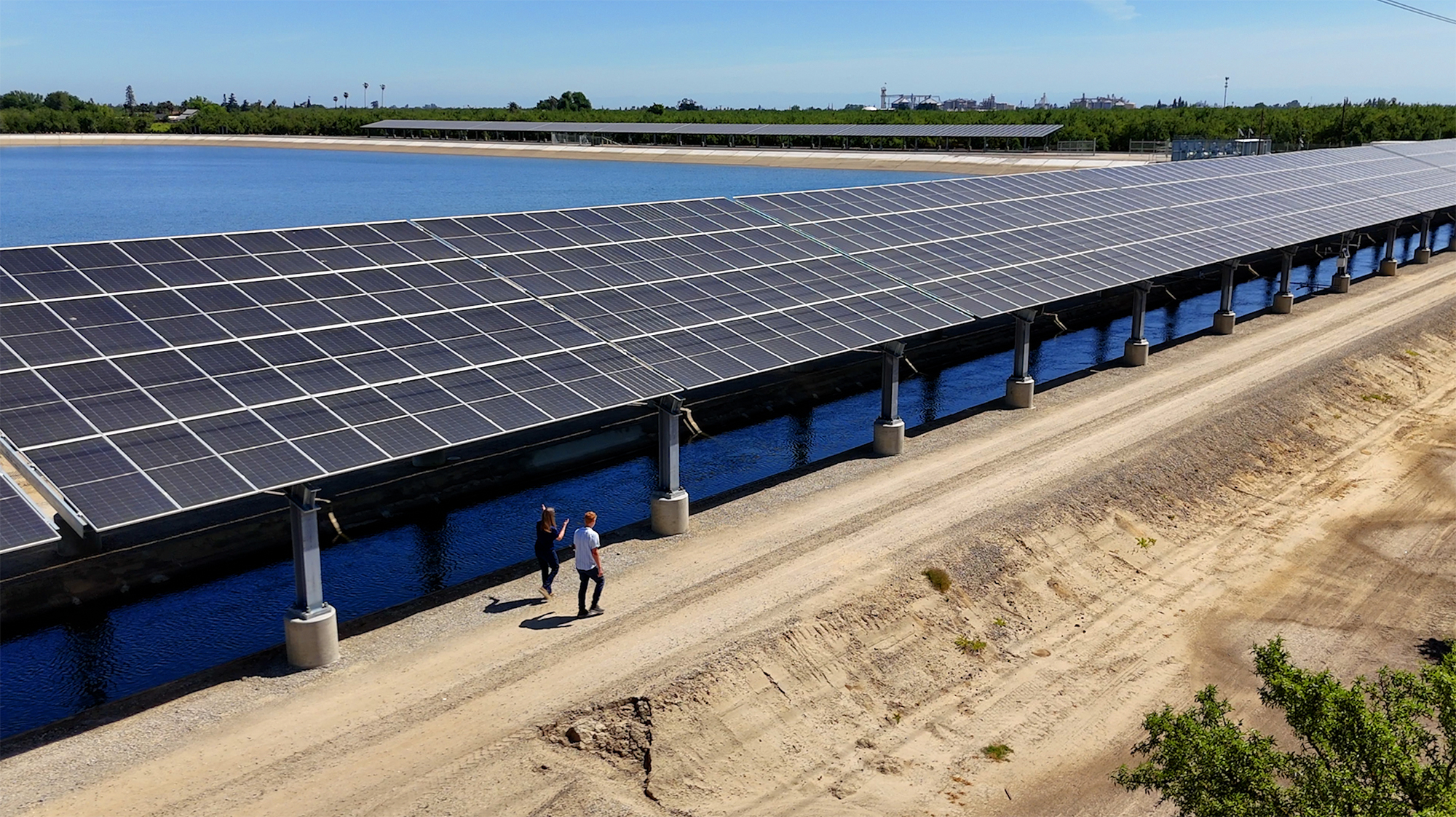
Two people walking along a series of solar panels over a canal in the Central Valley

UC Merced project scientist Brandi McKuin and Zak Long walk along one of Project Nexus’ solar arrays. Credit: Fig. 1 by University of California

California is taking the first steps in realizing an idea to save billions of gallons of water each year and produce enough clean energy to power a city the size of Los Angeles for nine months annually.

The simple but brilliant concept? Cover as much of California’s roughly 4,000 miles of irrigation canals with solar canopies as possible.