

I wrote up a fairly detailed primer on what Regenerative Landscaping is and how you can achieve it here.
It’s worth your time, to give you a more comprehensive explanation.

***

Before you jump in and change your entire landscape, it might be easier to start small. Pick an area and research what native plants would work well there. Mix native grasses with perennials for an easy care space. I had a strip of land between my driveway and my neighbors’ driveway. It was overplanted with high maintenance, high water plantings, and was bordered on each end by aspen trees.

The previous owner of my home was a geologist and avid rock/fossil collector. My entire yard, front and back, was a treasure trove of discovery. Inspired by that, I dug out that strip, collected every rock and fossil she left for me, and designed a low water rock garden. That was two years before I even considered killing my lawn and was a great primer on what to do and what NOT to do. I wish I’d known about the cardboard method for the weeds and unwanted perennials. But live and learn. I fight bindweed there, but the Hens and Chicks and the Ice Plants do a good job of squeezing them out. Still…ugh.

Now that area, except for a yearly cleaning out of trash and leaves, is fairly maintenance free, and gave me the confidence to go bigger.
So if you are thinking about creating a natural area in your yard, start small and learn all you can. Then when you decide to take the plunge and create a regenerative landscape in your entire yard, you’ll have experience and know the pitfalls to avoid. Good luck!

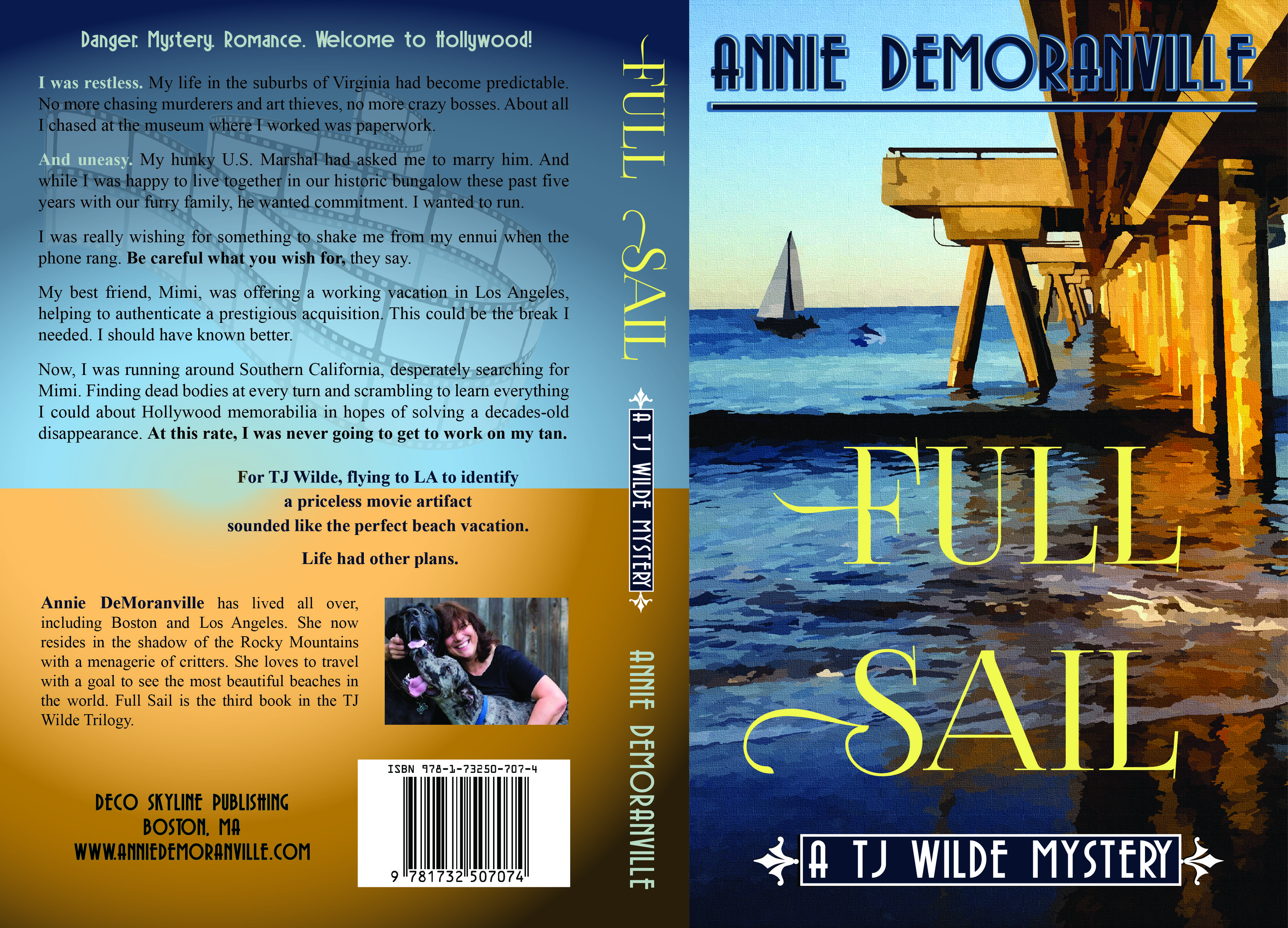
Full Sail, the third installment of the TJ Wilde Mystery Trilogy is available now, eBook, Paperback and Audiobook.
Discover more from Annie DeMoranville
Subscribe to get the latest posts sent to your email.


